
Do You Need a Bone Graft or Sinus Lift Before Getting an Implant?
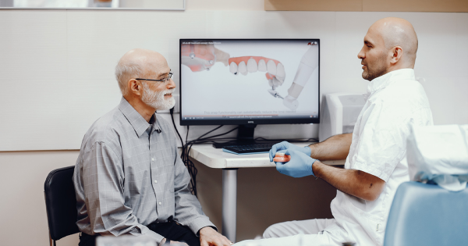
Missing teeth can cause severe jawbone loss and weaken your smile over time. Fortunately, getting a dental bone graft in Rancho Cucamonga restores your jaw structure effectively.
Dentists often recommend these simple prep procedures when your natural jawbone lacks the height or density to hold new roots securely. These treatments build strong, durable support so your new permanent teeth stay completely comfortable, safe, and secure for a lifetime.
Large Sinus Cavities
Upper back teeth rest directly below your large sinus pockets. Surgeons perform sinus lift surgery for dental implant success. This careful step creates safe clearance for secure post placement. Added height protects sensitive nasal tissues from sharp metal components.
Long-Term Tooth Loss
Missing teeth for years cause thin jawbones in adults. Surgeons rebuild missing structure with special bone material. Strong foundation materials prevent future implant failures over time. Extra care creates reliable support for your customized replacement teeth.
Low Bone Density
Jawbones shrink quickly after you lose a natural tooth. A dental bone graft in Rancho Cucamonga rebuilds this weak foundation. Patients need sturdy support before dentists place lasting dental posts. Strong bone bases keep your future artificial teeth completely steady.
Advanced Gum Disease
Severe infections destroy healthy bone tissue around natural teeth. Patients often need rebuilds before getting new tooth roots. Proper healing ensures strong support for your future smile. Targeted treatments restore lost framework before starting final post placements.
Natural Facial Anatomy
Some people naturally have very thin upper jawbones. Performing sinus lift surgery for dental implant posts creates space. Careful adjustments keep implants from touching soft sinus linings. Precise surgical expansion gives dentists adequate space for deep anchors.
Recent Tooth Extraction
Removing bad teeth leaves empty sockets in your mouth. Adding graft material right away preserves your natural jawline. Prompt care prevents surrounding bone from shrinking away quickly. Early action saves valuable time during your total smile restoration.
Trauma or Facial Injury
Accidents can break sensitive jawbones and destroy healthy tissue. Bone grafting restores lost structure after severe physical trauma. Healthy foundation rebuilds make future tooth restoration possible again. Comprehensive repairs restore full functional strength to injured oral areas.
How Can You Prepare for Recovery After Sinus Lift Surgery for Dental Implants?
Preparing your home and schedule properly makes your recovery smooth and completely stress-free.
Keep Your Head Elevated
Use extra pillows to raise your head while sleeping. This position may help reduce swelling after surgery. It can also make resting more comfortable during the first few days. Follow your dentist's advice about rest and activity.
Avoid Blowing Your Nose
Blowing your nose can create pressure near the surgical area. This pressure may affect the healing sinus and graft. If you need to sneeze, keep your mouth open to reduce pressure. Follow your surgeon's instructions about nose blowing and other sinus precautions.
Eat Soft Foods
Choose soft foods such as yogurt, mashed potatoes, and lukewarm soup. These foods are easier to eat while your mouth heals. Avoid hard, crunchy, or very hot foods that may irritate the treated area. Eat balanced meals to support your recovery.
Avoid Using Plastic Straws
Drinking through a straw creates suction inside your mouth. This may disturb the surgical site or a blood clot. Drink directly from a cup instead. Gentle sipping can help protect the treated area during early recovery.
Take Prescribed Medication
Take your prescribed medication as directed by your dentist or surgeon. These medicines may help control pain and swelling. Follow the recommended dose and schedule. Contact your dental team if your discomfort gets worse or you notice unusual symptoms.
Maintain Gentle Oral Hygiene
Keep your mouth clean while the surgical area heals. Follow your dentist's instructions for brushing and rinsing. Avoid brushing directly over the surgical site until your dentist says it is safe. Gentle cleaning helps reduce the risk of infection and supports healing.
Key Takeaways
- Jawbone loss happens naturally after losing permanent teeth without quick dental care.
- Bone grafts rebuild thin jaws for strong implant support and lasting smile stability.
- Sinus lift surgery for dental implants creates extra space in upper jaw areas for safe post placement.
- Proper rest helps your mouth heal faster after surgery with minimal surgical discomfort.
- Soft foods protect tender gums during early post-op recovery by preventing painful irritation.
- Avoiding nose blowing protects sensitive sinus graft materials from harmful facial pressure.
- Healthy jawbones ensure long-lasting dental implant success for life and keep smiles bright.
Frequently Asked Questions
Q.1) Does getting a dental bone graft hurt during the procedure?
Dentists use local anesthesia to numb the treatment area. This helps prevent pain during the procedure. You may feel some soreness or swelling afterward. Your dentist can recommend suitable pain relief and explain how to manage discomfort at home.
Q.2) How long must I wait after sinus lift surgery for dental implant placement?
Healing often takes four to nine months, but the exact time varies. Your age, bone health, and healing progress can affect the timeline. Your dentist will check the new bone before deciding when to place the implant.
Q.3) What materials do dentists use for a dental bone graft?
Dentists may use bone from a human or animal source, or a synthetic material. The right option depends on your needs and treatment plan. These materials support new bone growth and help rebuild the jaw over time.
Q.4) Can I return to work after sinus lift surgery for dental implant placement?
Many patients can return to light activities within a few days. However, recovery time depends on the procedure and your overall health. Avoid heavy lifting and strenuous exercise until your surgeon says it is safe. Always follow your dental team's advice.
Q.5) What happens if I skip a bone graft when my jaw is too thin?
If your jawbone cannot support an implant, the implant may fail to heal or remain stable. Skipping a needed graft can also increase the risk of complications. Your dentist will assess your bone and explain whether grafting is necessary before treatment.
Ready for Your New Smile?
A dental bone graft in Rancho Cucamonga can help rebuild your jawbone and prepare it for dental implants. A sinus lift may also be needed when the upper jaw lacks enough bone. The right treatment depends on your dental health and bone structure.
Ready to explore your options? Schedule a consultation with Stadium Dental to discuss your needs and find out which treatment may be right for you.


